Introduction
This is the second article in a series about smoke control systems. To learn about smoke control system code requirements, smoke control design, and rational analysis reports, consider reading the first article, “Understanding Smoke Control Systems: Design Principles and Key Considerations.”
This article will focus on the special inspection (SI), which is the second part of the process, following the system installation, where a third party reviews the installation and verifies compliance with the smoke control system design and rational analysis report.
What Are Smoke Control Systems?
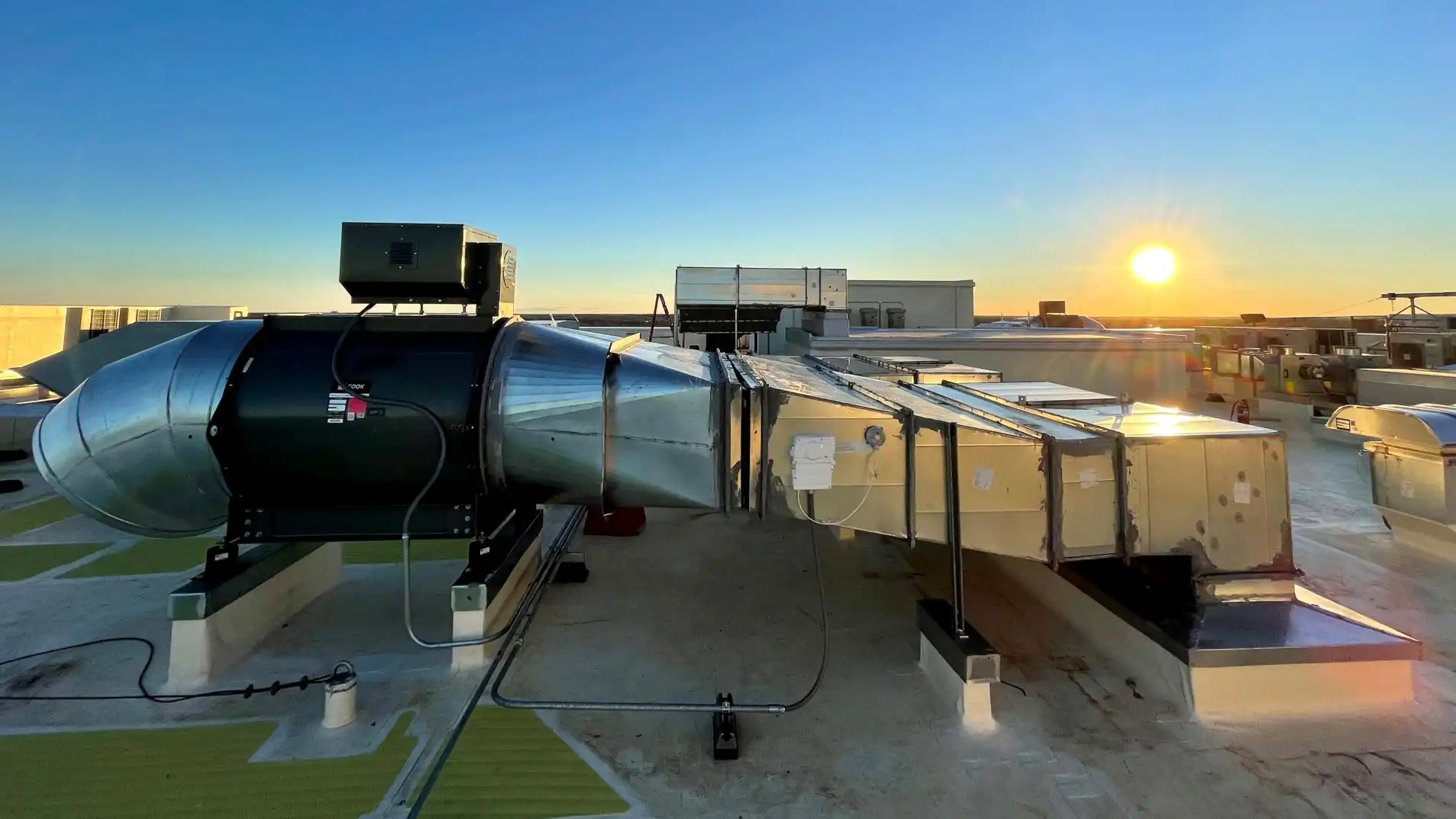
Smoke control systems manage and control smoke during a fire, limiting and removing smoke from the building to provide tenable conditions for occupants during the egress period. The two most common types of smoke control systems are:
- Positively pressurized stairwells: limit smoke from entering the stairwell during egress
- Atrium smoke control systems: remove smoke at high levels (exhaust fans typically mounted on the ceiling) to maintain clear, tenable conditions for occupants to reach their nearest exit.
Importance of Smoke Control Systems
Smoke control systems offer occupants a critical period to escape before building conditions become life-threatening. These systems serve the function of providing tenable conditions during the egress period, allowing occupants to exit to a place of safety from a fire within the building. Smoke control systems must:
- Maintain visibility at a safe threshold.
- Maintain smoke temperatures below a threshold that allows occupants to reach an exit safely.
- Maintain low limits for noxious gases, such as carbon monoxide.
While these values are commonly employed as tenability limitations, it is the engineer’s responsibility to understand the building’s use, occupant characteristics, hazards, and building layouts to ensure the correct values are being assessed and evaluated within the analysis.
Special Inspections: Overview
What are Special Inspections (SI)?
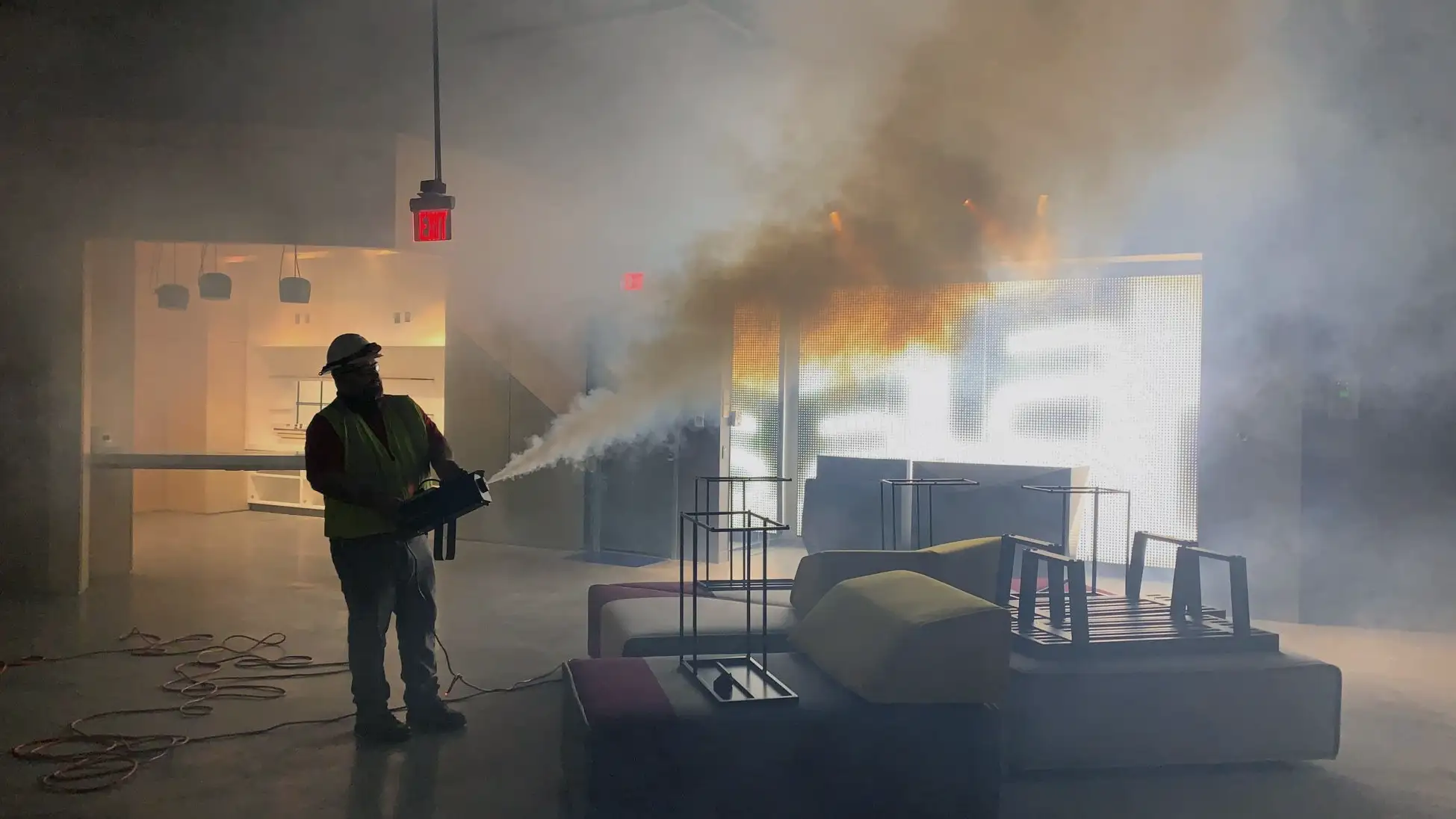
Smoke control special inspections verify that the smoke control is installed correctly and performs as intended. A third-party special inspector conducts SIs to confirm that the contractors properly installed the system and that it operates within the parameters defined in the rational analysis. If the system does not function as designed, the team must correct all faults before it can pass inspection.
The rational analysis report is a document that explains how the system is supposed to work, the type and location of individual components (e.g., pressure sensors and smoke detectors) required to monitor and control the system, and how the special inspection should be performed. This report guides the inspection process and helps the inspector confirm that the design has been fully implemented. Smoke control systems are complex, unique, and specific to each building, which makes the special inspection all the more critical.
Per IBC 909.3, buildings containing life safety smoke control systems must undergo a special inspection. A building must pass the special inspection before it can be occupied. Once complete, the final inspection report is submitted to both the building owner and the Authority Having Jurisdiction (AHJ).
It’s important to note that SIs are in addition to the regular building inspections and testing, which is why they are sometimes overlooked.
Who Performs Special Inspections?
It is important that a third-party performs the special inspection, and not the engineer of record who was responsible for designing the smoke control system. Having a qualified third-party perform the inspection ensures no conflict of interest from the people responsible for designing the system. Special Inspectors should also be qualified and clearly demonstrate competence to the satisfaction of the local authority having jurisdiction.
When are Special Inspections Required?
International Building Code (IBC) and International Fire Code (IFC) require special inspections for all new smoke control systems and for existing systems that have been modified from the original construction design. After a facility passes its special inspection, the code also requires regular maintenance inspections to ensure the system continues to function as designed.
New Systems
As previously discussed, IBC Section 909.3 requires an SI in addition to the standard inspections and testing that all buildings must undergo. The rational analysis that accompanies construction documents provides the procedures, methods, and specific items that the special inspector must be inspect and test. These inspections and tests must follow the same requirements outlined in IBC Section 1704.
Existing Systems That Have Been Changed
If a smoke control system or atrium is modified in any way that affects its original design, the rational analysis report must be updated, and a new special inspection is required.
Modifications that may trigger a new inspection include:
- Changing the use of the space
- Altering the architectural layouts
- Adding furnishings or other combustible materials that go beyond what the original rational analysis report allowed
Ongoing Maintenance Inspections
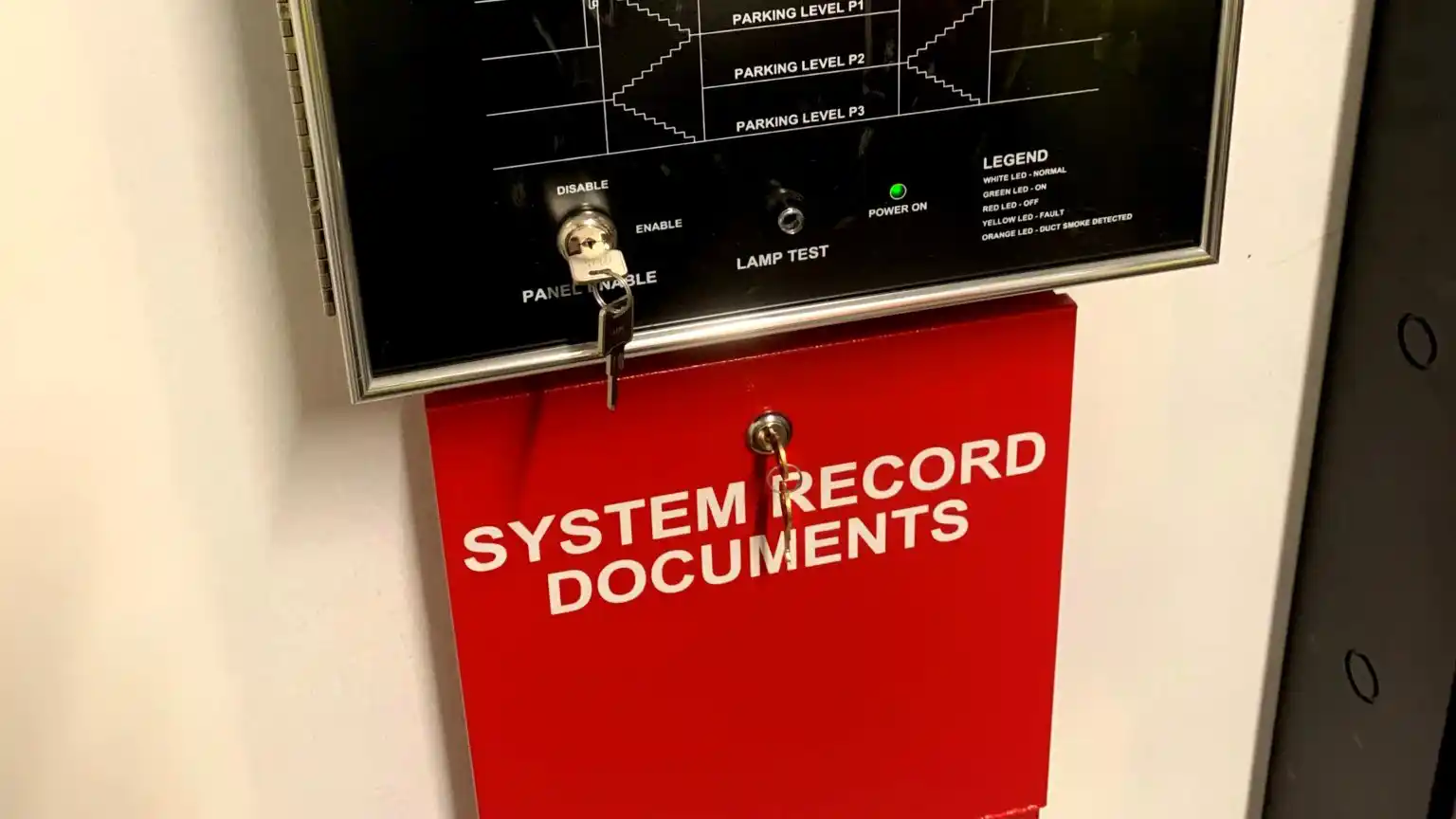
The special inspection report also outlines the schedule and procedures for ongoing maintenance and inspections, which are typically required twice per year. Each time facility management tests the system, they must record the results and store them in the building’s fire command center, typically within a document box mounted on the wall. This box holds all records related to the smoke control system, including inspection logs, maintenance history, and notes on any equipment that was repaired or replaced. Maintaining these records is essential for tracking the system’s performance over time.
Regulatory Standards/Code Requirements for SI’s
What regulations/codes mandate a special inspection?
The codes relevant to special inspections and their scopes are listed below:
NFPA 101 Section 9.3
- Section 9.3.1: Installation
- Section 9.3.2: System Design
- Section 9.3.3: Acceptance Testing
- Section 9.3.4: Smoke Control System Operation
IBC Chapter 909.3: Special Inspection and Test Requirements
- Inspections during ductwork installation
- Documentation
- System response times and sequence of events
- Device locations, installation and verification.
- Weekly Self-test
- Fan installation and rating
- Inlet air sizes and velocities
- Standby Power
Special Inspection Process
What are the Steps to Performing a Special Inspection?
Preparing for the Special Inspection
Before testing begins, the special inspector develops a special inspection plan. This plan explains:
- How to perform the inspection
- Who is responsible for witnessing and carrying out the inspections
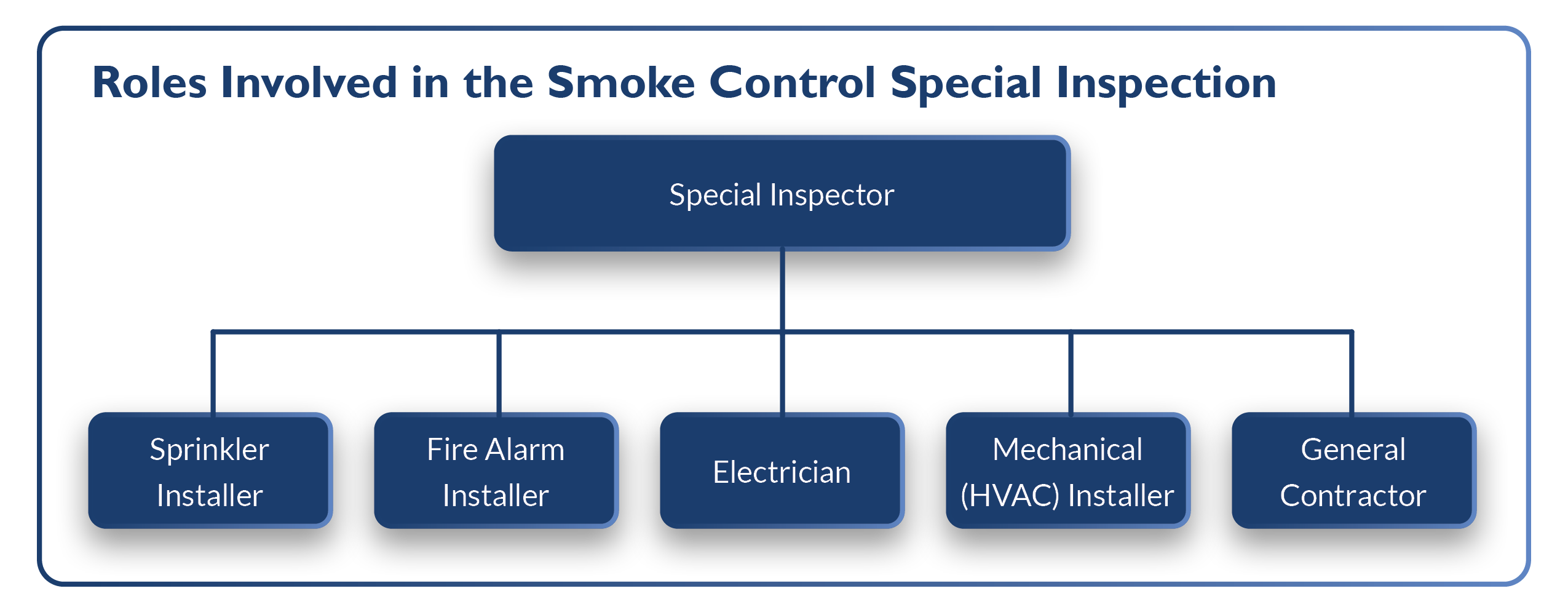
The inspection usually involves several professionals, including:
- Special inspector: Oversees the process, witness tests, and coordinates disciplines to resolve issues.
- Sprinkler installer: Represents the sprinkler system and any devices that work with the smoke control system.
- Fire alarm installer: Ensures alarm devices activate correctly; silences/reactivates systems during testing.
- Electrician: Cuts power from the main system and ensures the alternate system functions.
- HVAC installer: Adjusts the mechanical systems during testing (often the one who installed the smoke control system)
- General contractor: Witnesses the inspection to coordinate contractors, such as testing and balancing technicians
Code doesn’t require the AHJ to be involved in the SI process, but they sometimes want to be involved. The AHJ does require the final inspection document and verifies that the functioning system is signed, sealed, and submitted for their record.
Conducting the Inspection
The inspection follows the sequence outlined in the special inspection plan, typically including:
- Reviewing the fire alarm panel and firefighters’ smoke control panel.
- Checking that contractors installed all smoke control devices in the correct locations.
- Testing all devices and inputs to confirm the system responds correctly and events occur in the right order.
- Verifying that the system meets all performance criteria as defined in the rational analysis.
- Confirming that the firefighters’ smoke control panel reports and responds correctly.
- Repeating the process on each level of the building.
- Documenting all findings in accordance with IFC and IBC requirements.
How Long Does a Special Inspection Take?
The duration of the special inspection depends on the size of the building and its life safety systems.
- Smaller systems can take 1-2 days.
- Large systems may require several weeks.
These estimates are based on the systems functioning according to plan. If the inspection reveals defects, the inspection can take significantly longer, depending on the severity of the issue.
How Often Do SIs Happen?
After the initial special inspection, the system needs ongoing maintenance inspections to ensure proper function. These tests are typically performed twice a year, once in the summer and once in the winter, to test that the system functions under different environmental conditions.
Common Challenges & Telgian Engineering & Consulting’s (TEC) Solutions
Are There Any Challenges That Arise From/During Special Inspections?
Coordination Between Disciplines
Smoke control systems interface with mechanical, electrical, and plumbing (MEP) systems. Since different trades install each component, miscommunication can lead to problems. TEC helps coordinate across disciplines to ensure all components work together as intended.
Direction of Airflow
Incorrectly wired fans are a frequent issue that can lead to reversed airflow. If a fan pushes air in the wrong direction, the entire smoke control system can fail. TEC verifies fan orientation and performance ratings as a critical step in testing.
Devices Not Activating the System
Another common issue is initiating devices, such as smoke detectors, beam detectors, or flow switches, fail to trigger the smoke control system. The inspector must understand exactly which devices trigger system responses and confirm that each of them works as intended.
Out-of-Sequence Events
Another common problem is when events occur in the wrong order. For example, in one atrium smoke exhaust system, fans turned on before the make-up air doors and windows had opened. This created negative pressure that prevented them from opening at all. Having the fire alarm installer on-site was beneficial in this case, where they were able to reprogram the sequence of events while the Special Inspector was present.
Engaging a Special Inspector Too Late in the Project
IBC dictates when special inspections must take place during the construction process. One example is in Chapter 17, Section 19.
The test scope shall be as follows:
- During the erection of ductwork and prior to concealment for the purposes of leakage testing and recording of device location.
- Prior to occupancy and after sufficient completion for the purposes of pressure difference testing, flow measurements, and detection and control verification.
If a special inspector is brought in after ductwork is concealed, the inspection may not meet code, and the local authority having jurisdiction will make the decision on how to proceed. TEC works directly with the AHJ and project stakeholders to find compliant, practical solutions when issues like this arise.
TEC Services
Smoke Control & Special Inspection-Related Services
Pre-Design Phase
- Discuss the owner’s project requirements
- Discuss and research different smoke control design options that may be available to the project
Smoke Control Design Phase
- Research and review the building design plans and documents
- Building, fire, and life safety code consulting
- Develop one design brief for the rational analysis prior to completing the analysis
- Discuss with all key stakeholders, including the design team and authorities having jurisdiction
- CONTAM, CFD, fire, and smoke modeling services
- Egress modeling
- Development of the rational analysis
- Conduct and coordinate meetings with the authorities having jurisdiction
- Development and continuous review of design documents
- Development of test and acceptance criteria
Construction Phase
- Site installation reviews to ensure compliance with the established basis of design
- Permit coordination
- Continuous coordination with authorities having jurisdiction
- Resolution of site liability issues
- Special inspection services for smoke control
Post-Construction Phase
- Operational training of building staff on systems
- Coordination and verification of close-out documentation
Conclusion
At TEC, we recognize that special inspections are about more than checking boxes; they’re about life safety. Unlike firms that only perform inspections, our team of designers and engineers understands how every component of a smoke control system works and how they must interact to keep people safe.
Why Special Inspections Matter
Special inspections verify that smoke control systems perform exactly as intended in the design and construction documents. A properly functioning smoke control system is vital to the safety of building occupants in case of a fire, and the special inspection process confirms that the system will perform as designed to keep them safe during egress. Without this process, even a well-designed system may fail to operate when needed most.
When lives are at stake, you want more than a checklist; you want experts who know these systems inside and out. Contact us today to discuss how our expertise can help protect your property and the lives of your building occupants.
We have the experts you need for your special inspection

Eddie Farrow
With more than 19 years of experience in fire protection and life safety consulting and design, Eddie Farrow serves as Regional Practice Leader, Fire Protection Engineering for the Southeast Region at Telgian Engineering & Consulting, LLC (TEC). He has led projects worldwide across a variety of occupancies, including healthcare, industrial, and mercantile facilities, with a particular focus on high-rise residential and commercial buildings.
Farrow specializes in smoke control systems, from design through construction and ongoing maintenance. His expertise includes code consulting, performance-based design, smoke modeling (hand calculations and computer analysis – CFD – FDS), and zone modeling analysis (CONTAM). Additionally, he has extensive experience in egress analysis (including hand calculations and computer analysis – Pathfinder), hazardous material analysis, special inspections (atrium and stair pressurization), due diligence, and negotiating with Authorities Having Jurisdiction (AHJs). Reach him at efarrow@telgian.com.

Stephen Tamburello, PE
Stephen Tamburello has more than 13 years of fire protection and life safety consulting and design experience. His diverse project experience includes a broad range of clients with varying needs from light hazard commercial facilities to unique structures not directly addressed by nationally recognized codes and standards.
Mr. Tamburello has experience in fire protection system designs, code consulting, system acceptance testing, water supply evaluations, hazardous materials assessments, and developing alternative means of protection for unique situations. Also included within his base of experience, he has performed computer-based smoke analyses, due diligence surveys, building condition assessments, construction management quality assurance, fire suppression, fire alarm systems design, and reviews of clean agent systems.