Fire protection engineering is a critical yet often overlooked discipline focused on protecting people and property from the impacts of a fire. Despite its importance, many are unaware of the field and career opportunities.
This article highlights the career path of an early-career signaling systems designer at Telgian Engineering & Consulting, De’Andre Tillman, offering insight into how he entered the field and what aspiring professionals can expect from a career in fire protection engineering.
What is a Signal Systems Designer?
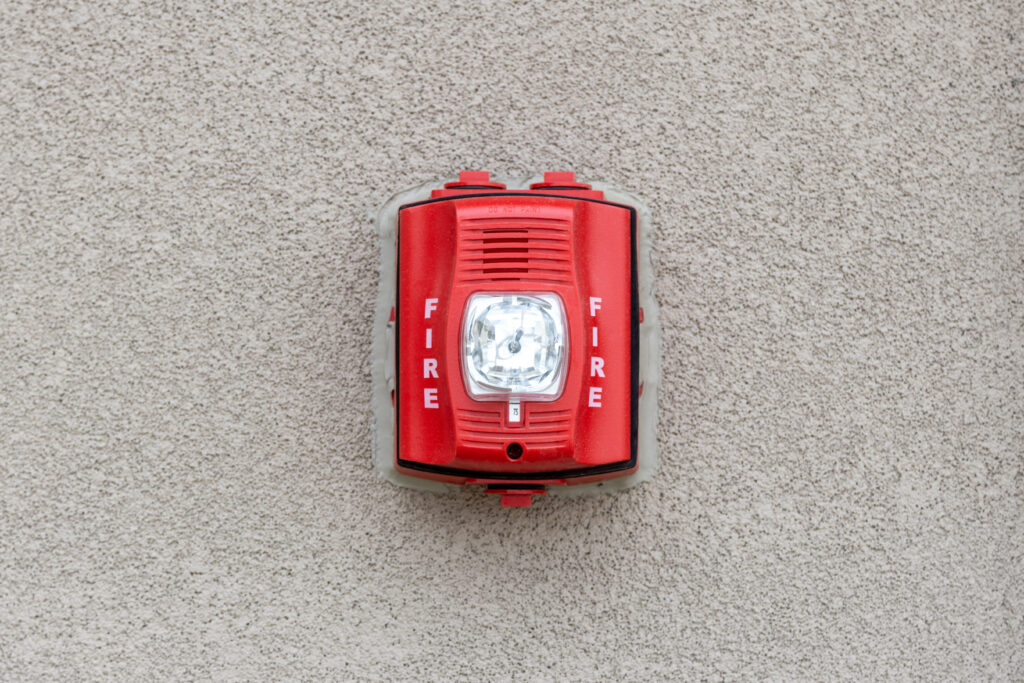
A building’s fire protection systems communicate with each other via a broad network of electrical systems. A signal systems designer is a specialized consultantor engineer who develops the network that controls, routes, or processes signals across fire protection systems, including fire alarms, smoke and heat detectors, pull stations, and all their associated devices, electrical demands, and control panels.
What are the job duties of a Signal Systems Designer?
The typical job duties for a signal systems designer are
- surveying existing buildings.
- designing fire alarm systems, such as fire alarm control panels, horns/strobes, heat detectors, monitoring devices, speakers, and smoke detectors for commercial and industrial buildings.
- providing specialized advice to clients regarding detection methods, system types, and typical costs.
- creating fire alarm drawings using AutoCAD, Revit, and similar design software.
- laying out various devices.
- inspecting fire alarm installations during construction and completion.
- testing fire alarm systems.
Designers must plan device locations and quantities based on building layouts and applicable codes, including NFPA 70: National Electrical Code® and NFPA 72: National Fire Alarm and Signaling Code®. Following these requirements ensures each project is compliant and based on customers’ needs.
What skills are needed to be successful?
Some important technical skills are AutoCAD drafting, being able to read and understand technical drawings, undertanding the risks posed by different occupancy types, fire alarm design/layout, how to coordinate with other design disciplines, and being able to navigate the applicable fire and building codes. Some “soft” skills needed are attention to detail, organization, time management, effective communication, and ability to work independently, as well as with a team.
Entry level signaling systems designers will learn many new skills and develop existing ones in this role. Shadowing peers allows designers to learn their work routines and practices. Designers also send their completed designs to a senior quality control (QC) team member to confirm that the design meets quality standards, or is revised to meet them, if needed.
Challenges for signal systems designers
One of the most important parts of a signaling systems designer’s job is creating fire alarm and signaling system layouts that consistently meet code and project requirements, regardless of the building location. To achieve that consistency, designers follow a standardized design process on every project. Using the same approach helps produce reliable, high-quality designs and reduces the chance of errors. Even a single missing or incorrectly placed device can lead to redesigns, project delays, and additional costs, which is why accuracy is so important for both the engineering team and clients working under tight construction schedules.
Other challenges include learning fire codes and NFPA standards, working under deadlines, and keeping communication with others. Without effective communication, deadlines cannot be met or could lead to lost jobs. QC is crucial to this process. Working through multiple QC processes with peers helps signaling systems designers refine existing designs. Future projects also benefit from optimizations learned on earlier projects.
Benefits of being a Signal Systems Designer
This role is a great entry point into engineering. You receive real engineering/design experience without requiring years of prior experience. The skills learned can be transferred into other industries. Furthermore, there is room for career growth. As of now, I am an entry level designer, but can work my way through the ranks and become a senior level designer, and eventually a project manager.

De’Andre Tillman
De’Andre Tillman is a Signal Systems Designer at Telgian Engineering & Consulting. He joined TEC in 2025 after graduating from Kennesaw State University with a degree in Mechanical Engineering. In his current role, he designs fire alarm and signaling systems for commercial and industrial facilities, creating layouts for control panels, detection devices, and notification appliances using industry-standard design software. De’Andre helps ensure systems comply with applicable codes and standards while delivering reliable, life-safety-focused solutions that protect people and property.