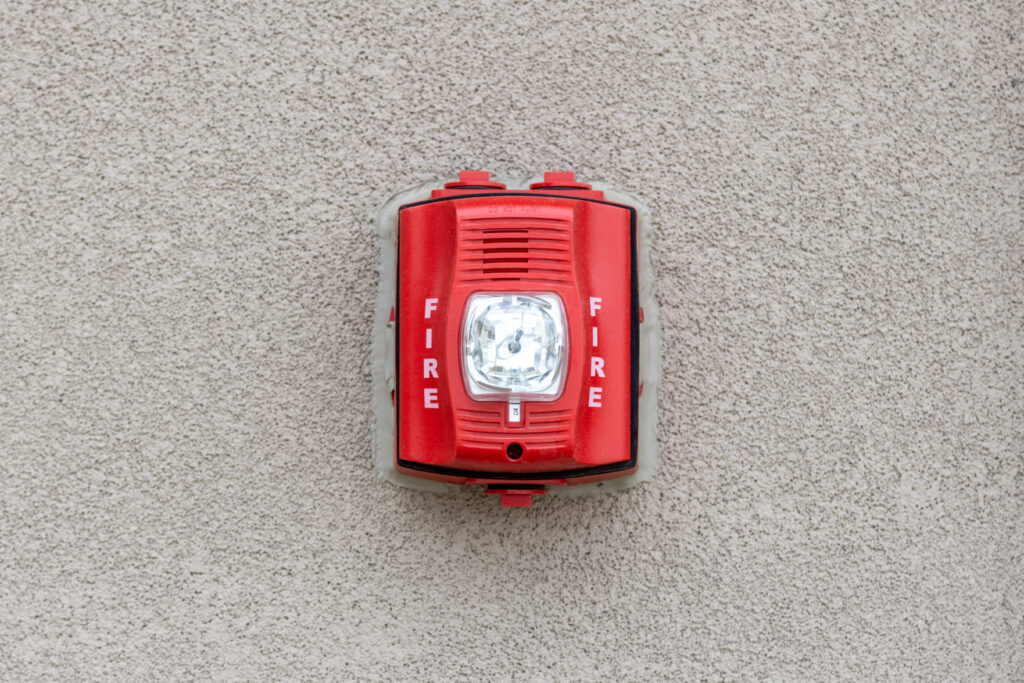
Fire alarm systems can remain in service for decades, but age is only one factor that may prompt a retrofit. Renovations, building expansions, changes in occupancy, discontinued equipment, and code requirements can all create challenges for an existing system. In many cases, the system still performs well overall, yet certain parts no longer meet the building’s operational needs or long-term goals. When these situations arise, a fire alarm retrofit can provide a path forward by updating the right portions of the system without replacing everything.
Fire alarm retrofits require more than simply swapping out old equipment. They require informed guidance from engineers and consultants who understand how to bring existing systems into compliance while accounting for the realities of an occupied building.
What is a Fire Alarm Retrofit?
A fire alarm system retrofit is the installation or replacement of fire alarm components within an existing building environment. Unlike new construction, a retrofit takes place after the building is finished and may occur while the building is open and operating. In some cases, a retrofit may involve replacing individual parts of the system, such as the control panel, communication equipment, initiating devices, or notification appliances. In other cases, a full system replacement may be the right solution when it best supports the client’s code requirements, budget, risk tolerance, and long-term goals.
Is a Fire Alarm Retrofit Right for My Business?
Different situations can trigger the potential for a fire alarm system retrofit in an existing structure. The most common are renovations, changes of occupancy, or malfunctions in the existing fire alarm system.
Renovations
A currently operating business may need a fire alarm retrofit when it expands its building footprint or reorganizes the existing layout. New walls, relocated work areas, added rooms, or expanded operations can affect device placement, notification coverage, and code compliance. Evaluating the fire alarm system early helps ensure the retrofit supports the business changes without creating unnecessary delays after construction begins.
Changes of occupancy
A change of occupancy may require a fire alarm retrofit when the new use of the space creates different code requirements than the previous use. For example, converting a space to support more occupants, different operations, or new hazards may affect detection, notification, monitoring, and overall system design. Retrofitting during the occupancy change helps ensure the building remains compliant and ready for its new use before operations begin.
Malfunctions
Malfunctions can trigger the need for a fire alarm system retrofit when recurring trouble signals, faulty devices, wiring issues, or panel failures prevent the system from operating reliably. If these issues leave the building without adequate protection, firewatch services may be required until repairs are completed, which can become cost-prohibitive for many businesses. Firewatch is also not usually the AHJ’s preferred long-term solution, since it is temporary and depends on manual patrols rather than a properly functioning life safety system. In these situations, a retrofit can help restore reliability, reduce ongoing disruption, and move the building back toward compliance.
Fire Alarm Retrofit Process
A fire alarm retrofit does not begin with replacing equipment; it begins with understanding the existing system, the building’s needs, and the code requirements that apply. From evaluation through installation, a qualified engineering and consulting team can help the owner make informed decisions and keep the project moving toward compliance.
- Identify the Issue
The process often begins with a failing system, recurring trouble signals, unavailable replacement parts, or deficiencies identified during an inspection. Different parties may identify the issue, such as the business, its fire alarm service provider, or the AHJ.
- Engage a Fire Protection Consultant
Once the business identifies the problem, they engage a fire protection engineering and consulting team to evaluate the system and determine the best path forward.
- Review Existing Documentation
Existing fire alarm drawings are reviewed to understand the current system layout, equipment, and connections. If drawings are incomplete or outdated, a consultant may need to perform additional field investigations.
- Survey the Existing System
If a new system or major retrofit is required, a survey helps document existing conditions in the building. This step helps determine what can remain, what must be replaced, and how new equipment may interface with existing components.
- Coordinate with the AHJ
Designers use the survey information and AHJ input to develop a compliant retrofit or replacement design. Early coordination can help reduce surprises during permitting and installation.
- Issue an RFP to Installers
Once the design is complete, the designer issues an RFP to qualified fire alarm installers. Depending on the project, this may include an on-site walkthrough and written RFIs. This ensures all bidders are working from the same information.
- Select an Installer
The business selects the installer, who may also service the system for at least the first year. This makes both installation quality and long-term service capabilities important considerations.
- Submit for Plan Review and Permitting
Before work begins, the designer submits the design is for plan review, and obtains the required permits.
- Complete Installation
After permitting, the retrofit or replacement work begins. Depending on the project, the engineering and consulting team may provide site visits, progress tracking, and status reports to help the owner monitor the work. Project closeout should include as-built drawings, testing and servicing records, and other important system information. Keeping these documents in the on-site fire alarm document cabinet supports future maintenance and helps satisfy applicable code requirements.
Conclusion
Working with a professional fire protection engineer and consultant, like Telgian Engineering & Consulting (TEC), helps businesses move through the retrofit process with greater clarity and fewer surprises. Rather than defaulting to a full system replacement, TEC’s experienced team can evaluate the existing system, identify practical options, and help owners make decisions that align with code requirements, budgets, and operational needs. This approach can save time and money by reducing unnecessary work, improving coordination with the AHJ, and helping projects move more efficiently from evaluation to installation. Most importantly, a properly planned fire alarm retrofit helps provide a safer environment for occupants and a more reliable life safety system for the building.

Ray Dotts
Ray Dotts has over 45 years of experience with fire alarm and security systems. He uses his extensive experience to provide internal and external training on fire and intrusion alarm systems and emergency responder radio coverage compliance/systems. He also manages all phases of fire alarm, intrusion alarm, and emergency responder radio coverage system installations.
Frequently Asked Questions
How long can a fire alarm system last?
Some fire alarm systems can last 25 years or more, particularly when well maintained and replacement parts are still available. Age alone does not always mean a system needs replacement.
Should I replace a fire alarm system that is still working?
Not necessarily. If the system is functioning well, remains code-compliant, and is serviceable, replacement may not be the best use of resources.
Can I just replace pieces of the system?
In some cases, yes. A retrofit may involve replacing only certain components, such as the control panel, communication equipment, initiating devices, or notification appliances. Compatibility with the remaining system must be evaluated.
When should a business start planning for a retrofit?
Businesses benefit from being proactive. Many do not begin the process until the system is failing or an inspection identifies a problem. Starting early can create more options and reduce pressure on the project timeline.
Businesses benefit from being proactive, but many do not begin the process until it’s too late. Starting early can create more options and reduce pressure on the project timeline.
Businesses can help keep the process moving by acting quickly. They should provide existing system documentation, respond to questions, and approve proposals in a timely manner. Some jurisdictions may also offer expedited plan review for an additional fee.